
- My booking
- Online Check-in
- Flight extras
- Financial services


 Booking
 Skyshop
 Hotel
Hotel
 E-Voucher
 E-Sim
E-Sim
 E-Visa
 Buy foreign currency
 Insurance
 SkyJoy




Departure date

Return Date

Exploring World Cultural Heritage in Laos
Laos, a relatively small Southeast Asian country, has a long history and is famous for the richness and diversity of its world cultural heritage. Let's set foot in Laos to discover the rich and historically valuable heritage of this country.

Laos shares a border with Vietnam, allowing tourists to travel independently at affordable costs.
See more: Travel Experience in Laos - What to Note & Prepare?
1. Unique and Interesting Features of Lao Culture
1.1 Unique Cuisine
Lao cuisine has many distinctive and unique features, characterized by dishes with spicy, sour, and sweet flavors. Common spices include ginger, tamarind, lime leaves, and various hot chilies. The diversity in preparation methods, with many ingredients used, also contributes to the unique dishes of the Land of a Million Elephants.
1.2 Many Distinctive Traditional Festivals
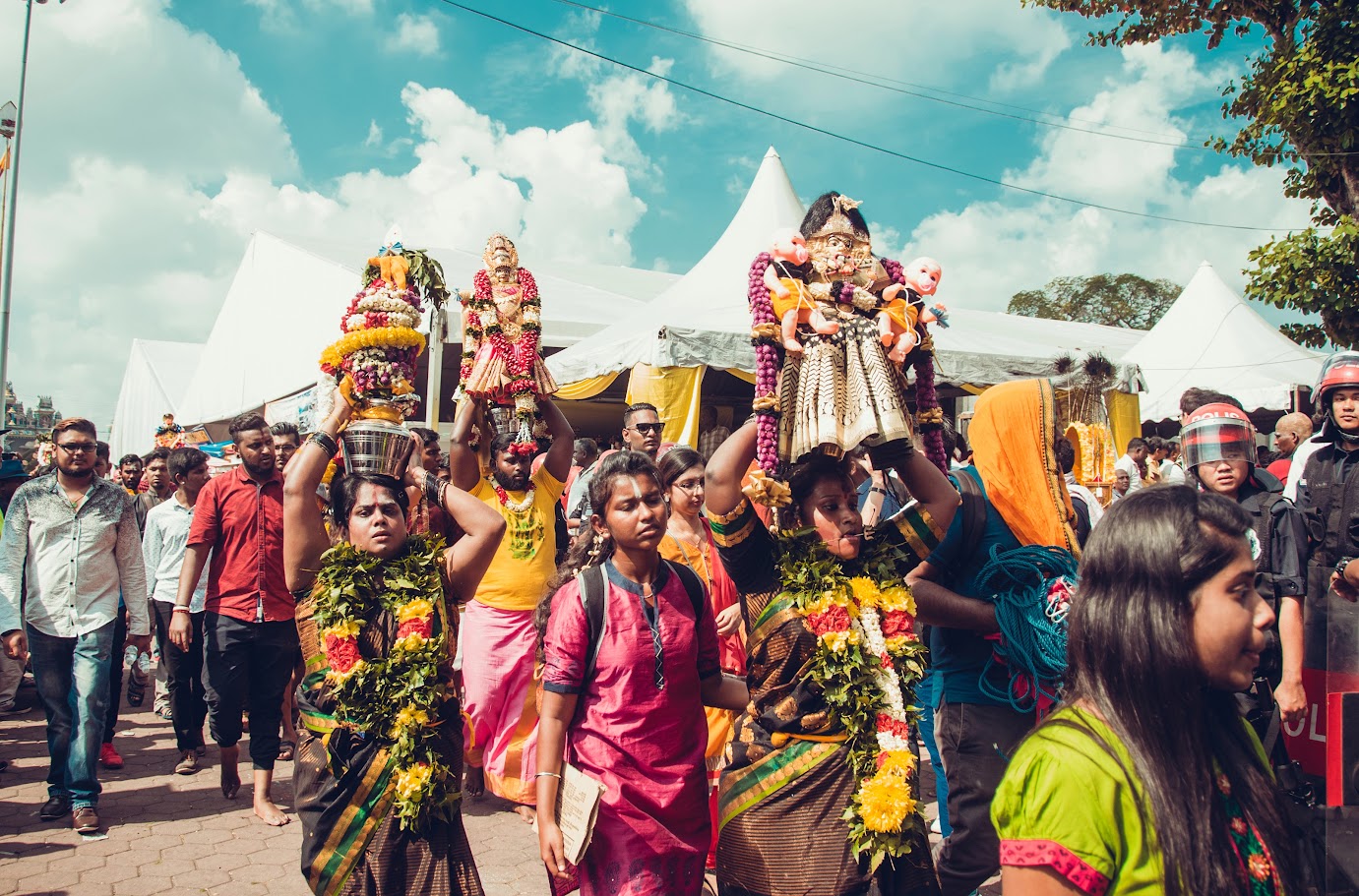
Laos is famous for its festivals. Notable festivals in this country include New Year's Day, Lunar New Year, Bunpimay (Lao New Year), H'Mong New Year, Bun Pha Vet (Buddha's incarnation festival), Bun VisakhaPuya (Buddha's Birthday), That Luang Festival, Bunpimay water festival, and Bun Bangfai (rocket festival), among others.
1.3 Eye-catching Traditional Attire
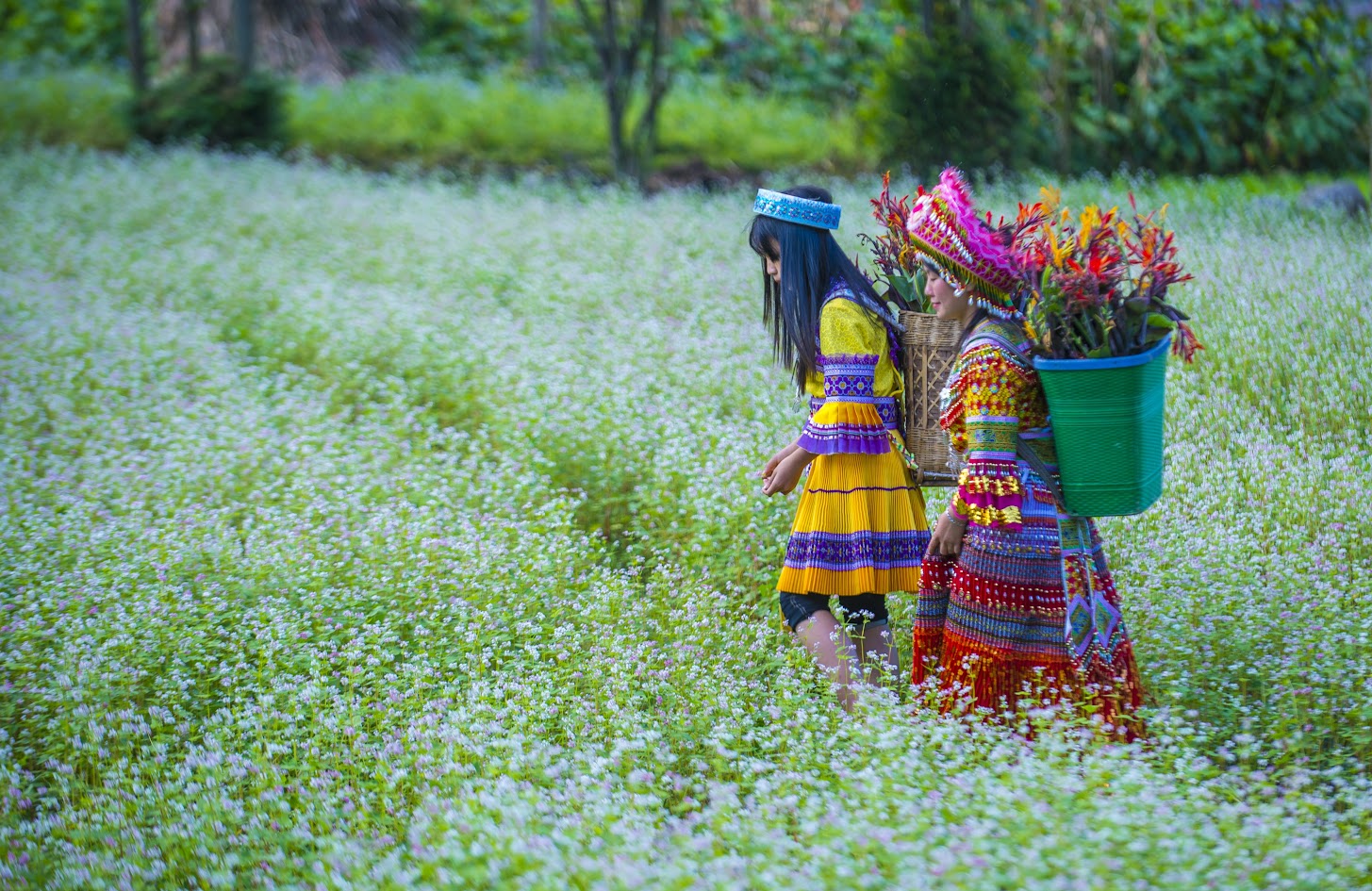
In Lao culture, traditional female attire is called "Sinh," consisting of three main parts: Lao Sinh (a wrap skirt made from silk and cotton with patterns), Suea pat (a long-sleeved blouse without buttons), and Pha Biang (a cloth similar to a shawl). The traditional attire for men is called "Salong," a large, colorful pair of pants. Salong can be paired with a shirt, long white socks, or pha biang.
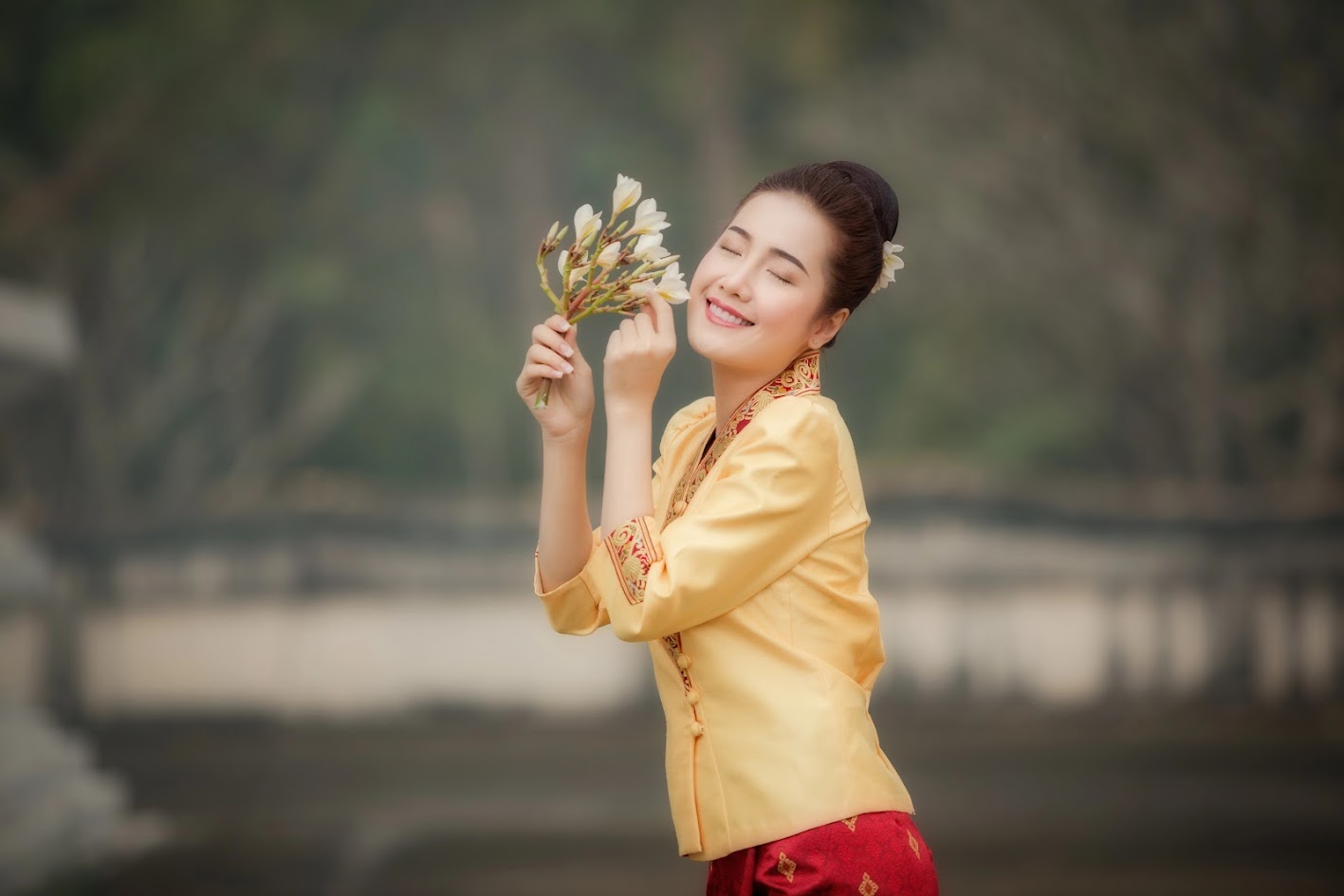
Traditional attire features a variety of colors and patterns, reflecting the finesse and creativity of Lao artisans.
1.4 Spiritual Culture
Religion plays a significant role in the lives and culture of the Lao people. Most Lao people follow Theravada Buddhism. Temples and monasteries are sacred places where people come to pray, practice, and seek spiritual education. Buddhist festivals, such as Boun Pi Mai (Lao New Year Festival), are important annual events celebrated joyously across the country.

The Lao people often integrate spiritual beliefs and perspectives into their daily lives.
2. World Cultural Heritage Sites in Laos
2.1 The Ancient Capital of Luang Prabang
The ancient capital of Luang Prabang in Laos was recognized by UNESCO as a World Cultural Heritage site in 1995. From the 14th to the 16th century, it was the capital of the Kingdom of Lan Xang. Today, Luang Prabang represents a historical period of Laos and is an important religious center of the Land of a Million Elephants. This place is home to many famous and long-standing Buddhist temples such as Wat Xieng Thong and Wat Wisunarat, built in the 16th century.
The relics and temples in Luang Prabang inherit the beauty of various cultures such as Lao, Khmer, Chinese, and French. Other notable attractions include Wat Xieng Thong, Wat Mai, and the Royal Palace.
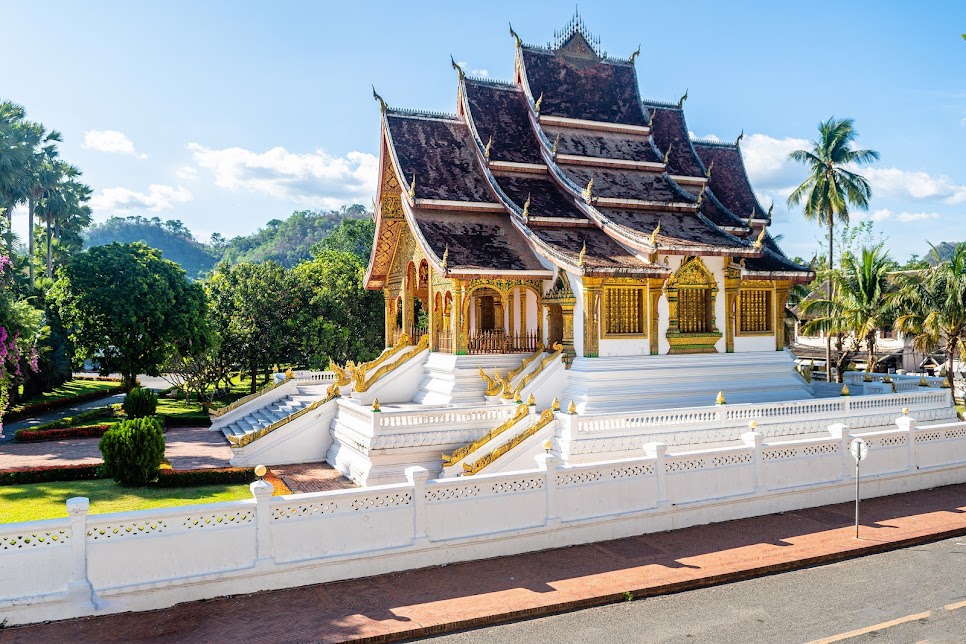
The ancient relics and architecture of Luang Prabang illustrate a unique blend of East Asian and Western architecture.
2.2 Wat Phou
Wat Phou (also known as Vat Phu or Wat Phu) is a historical and religious site located in Champasak Province, in southwestern Laos, near the borders of Thailand and Cambodia. It was recognized by UNESCO as a World Cultural Heritage site in 2001.
In the 5th-6th centuries, Wat Phou was a Hindu temple, and by the 13th century, it was converted into a Buddhist temple as Buddhism became the national religion of the Land of a Million Elephants. Thus, this place represents the combination of various religious traditions and beliefs in Southeast Asia.
Wat Phou is situated on a hill with a view over the Mekong River. Visiting here, tourists will be overwhelmed by the architectural and artistic beauty of the ancient Khmer period, demonstrated through the structure of towers, staircases, walls, and intricate stone statues. All these reflect the talent and technical skills of the builders of that time.

Wat Phou, dubbed the "Angkor Wat of Laos," is famous for its unique architectural beauty and historical cultural value.
2.3 The Plain of Jars
The Plain of Jars is a well-known cultural and historical site in Laos, with over 1,960 large and small jars distributed across 52 different locations. This site was recognized in 2019, after the ancient capital of Luang Prabang and the stone temple of Wat Phou in Laos.
The Plain of Jars is characterized by thousands of different hollow jars made from ancient stone blocks, with an average height of 1-2 meters, some reaching up to 3.5 meters and weighing tens of tons. According to archaeologists, the first jars were created around 2,500 years ago, at a time when primitive iron tools began to appear in Southeast Asia. The most recently created jars date back at least 800 years.
Curiously, there are no stone mountains around this area, raising the question of where the ancient people carved these giant jars and how they transported them to Xieng Khouang Province, a mystery that still puzzles archaeologists today.
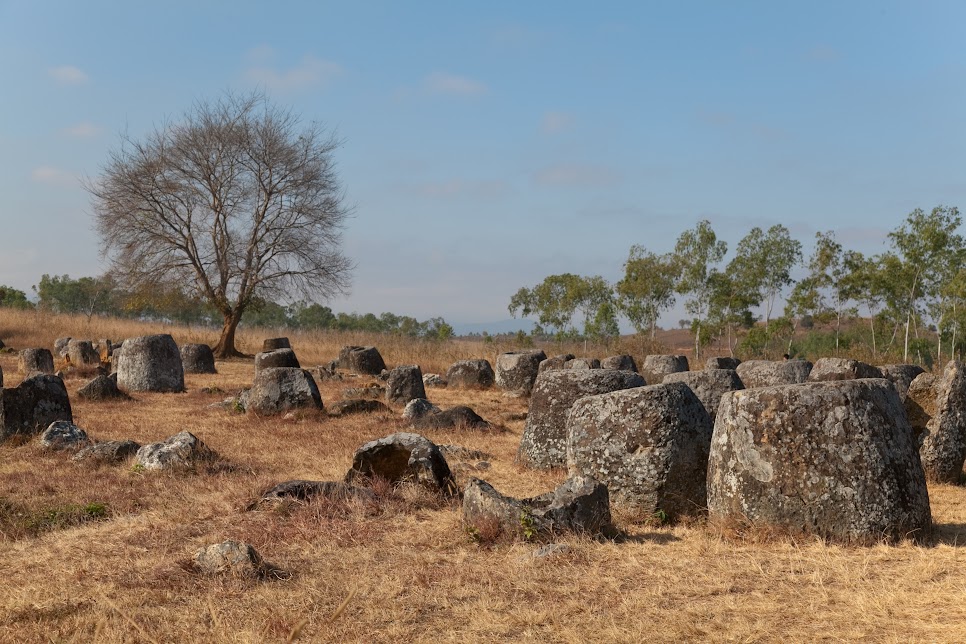
The Plain of Jars is a famous tourist attraction with unique architectural beauty and historical cultural value, attracting the interest of archaeology enthusiasts worldwide.
See more: What’s hot in Laos Tourism Year 2024?
It can be said that world cultural heritage sites in Laos, such as the ancient capital of Luang Prabang, the Plain of Jars, and Wat Phou, hold a special position in history, reflecting the cultural development of the Lao people through different periods. Visiting Laos, you will have the opportunity to explore these world cultural heritage sites and understand more about the traditions of the Land of a Million Elephants.
For Vietnamese tourists, besides traveling by road, you can choose air travel to Laos to save maximum travel time. Currently, Vietjet operates direct flights to the capital of Vientiane from Ho Chi Minh City with a frequency of 4 round trips per week, with each flight taking about 1 hour and 45 minutes. After arriving in the capital of Laos, you can travel to other provinces by road.
Additionally, don't miss out on the 0 VND ticket promotion from Vietjet every Friday to optimize travel costs. Detailed information can be found HERE.
What are you waiting for? Visit https://www.vietjetair.com/vi/ve-may-bay to explore detailed flight routes and the latest promotions!
Stay updated with Vietjet’s travel guide through the following channels:
- Fanpge: https://www.facebook.com/vietjetvietnam
- YouTube: https://youtube.com/c/VietjetOfficial
- TikTok: https://www.tiktok.com/@vietjetvietnam
- Instagram: https://instagram.com/vietjet
- Zalo: https://oa.zalo.me/vietjet





































![[FAQ] What is the Best Time to Travel to South Korea?](https://vj-prod-website-cms.s3.ap-southeast-1.amazonaws.com/shutterstock533705653supersize-1696644100090.jpg)






























Hot news





Buy Baggage, meals, choose seats and more…
Luxury service
About Vietjet
Contact Center
Where to buy ticket?
Cargo
Privacy policy
Cookie Policy


