- My booking
- Online Check-in
- Flight extras
- Financial services


 Booking
 Skyshop
 Hotel
Hotel
 E-Voucher
 E-Sim
E-Sim
 E-Visa
 Buy foreign currency
 Insurance
 SkyJoy


Departure date

Return Date

French Cuisine: Top 10 Must-Try Dishes
French cuisine is often called the “cradle of European gastronomy,” with its development deeply tied to the country’s long history. It boasts masterful cooking techniques and dishes that have influenced cuisines worldwide. Recognizing its cultural significance, UNESCO has even listed French culinary arts as an Intangible Cultural Heritage of Humanity.
So what makes French cuisine so renowned? Let Vietjet guide you through the most iconic dishes of the “hexagon-shaped country.”

France is famous for its stunning scenery and exquisite culinary culture.
1. Characteristics of French Culinary Culture
French cuisine is famous for its sophistication—from carefully selected ingredients and meticulous preparation to the elegant way dishes are enjoyed. In France, cooking and dining are elevated to an art form with various schools of culinary philosophy. Each dish has its own presentation, proper cutlery usage, and suggested wine pairings. The charm of French cuisine lies in its elegance, which has become an international standard in gastronomy. Key features include:
-
Diversity and richness: Each region of France has its own specialties, creating a rich and varied culinary landscape. Famous examples include Champagne sparkling wine, Camembert cheese, and Parisian coffee.
-
Artful preparation: The French focus on combining fresh ingredients to create dishes that are harmonious in color, flavor, and presentation. From simple baguettes to luxurious foie gras, every dish offers a glimpse of France’s culinary artistry.
-
Culinary culture: Dining is an essential part of French life. People take time to enjoy meals, follow dining rituals, converse, and savor life. Since the 20th century, French cuisine has been systematized into modern fine dining.
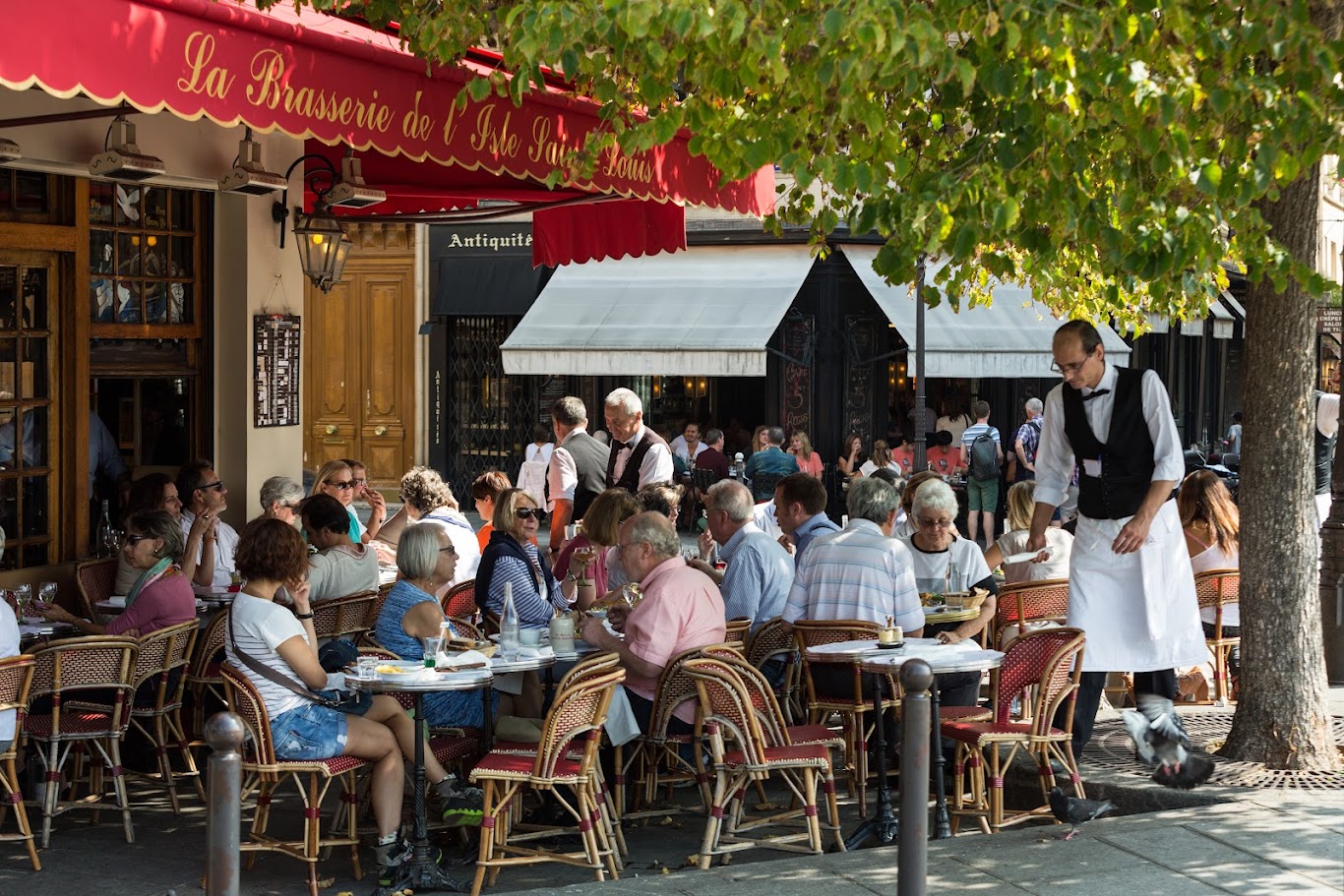
In France, cooking and dining are elevated to an art form.
2. Signature French Dishes
To truly explore French cuisine, diners should experience dishes that represent the country and capture its culinary essence in every bite.
2.1 Foie Gras – The Gourmet Delight of the Elite
Foie gras, or fatty goose liver, dates back to 2000 BCE in Egypt. However, it became a global culinary sensation only after its introduction to France, where it was especially coveted by European nobility.
The preparation is intricate: the liver comes from geese that are force-fed grains for 12–18 days. This produces a larger liver with a characteristic layer of fat, unlike ordinary liver. The taste is delicately rich, with a silky texture that melts in the mouth, offering an irresistible experience.
Foie gras is often served as an appetizer or main course. The most popular way to enjoy it is with toasted bread and fruit preserves. Pan-seared foie gras is also highly favored—crispy on the outside while retaining a golden, tender interior, paired with sauces and fresh salads.
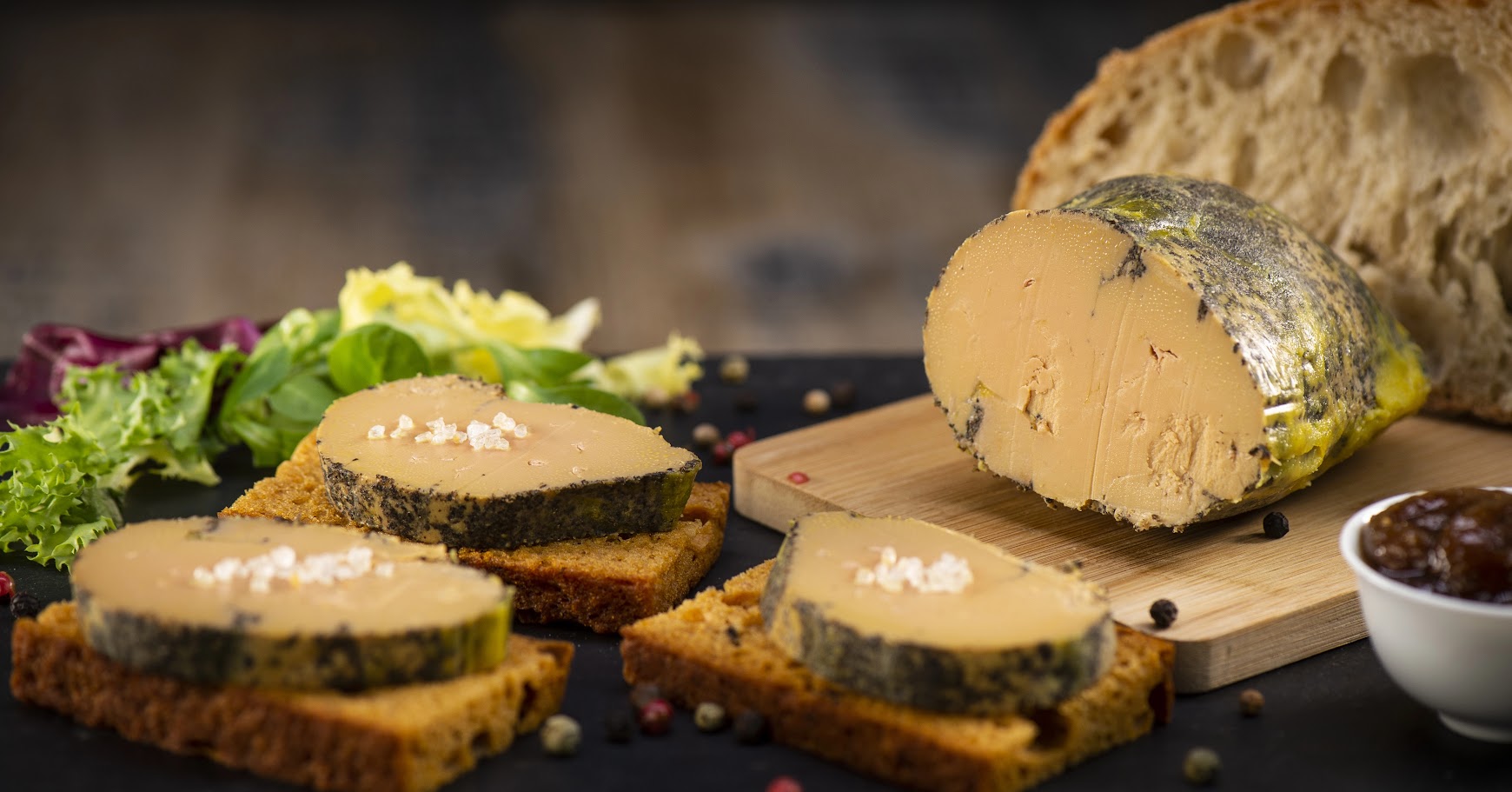
Foie gras is a delicacy loved by European nobility.
2.2 Escargots de Bourgogne – Premium Baked Snails
Escargots de Bourgogne, or Burgundy snails, are a specialty from the Burgundy region of France. This dish is not only an appealing appetizer but also a strong reflection of French culinary culture. It is estimated that the French consume about 16,000 tons of snails every year.
Snails are usually baked with a mixture of butter, garlic, parsley, and other seasonings. The dish impresses with the unique texture of the snails—firm yet tender—combined with their natural sweetness, rich buttery flavor, and high nutritional value. The French often enjoy baked snails with a glass of white wine to enhance the taste.
2.3 Coq au Vin – Burgundy’s Famous Red Wine Chicken
Coq au vin, a classic braised chicken dish, showcases the French mastery of ingredient pairing and cooking technique. Traditional preparation uses quality chicken and red wine, combined with bacon, mushrooms, onions, garlic, and herbs such as bay leaves and thyme. The chicken is marinated in wine and spices, then seared until golden. All ingredients are then braised with chicken stock and wine at precise temperature and timing. The finished dish has a rich, deep red color, tender meat, and a smooth, flavorful wine sauce. It is typically served with bread and mashed potatoes.
2.4 Bouillabaisse – The “King” of Seafood Soups
Bouillabaisse originates from Marseille, an ancient and major port city in France. In Provençal, “bouillabaisse” means “fish soup.” The dish began humbly: after fishing trips, Marseille fishermen would save smaller fish unsuitable for sale and cook them into a large family soup. Over time, the recipe evolved, adding fresh seafood like fish, shrimp, clams, snails, and crabs, along with aromatic herbs and saffron—a costly spice that gives the soup its distinctive aroma and golden color.
Bouillabaisse is carefully prepared, rich in seafood flavor without any fishiness. It is considered one of the world’s finest seafood soups.
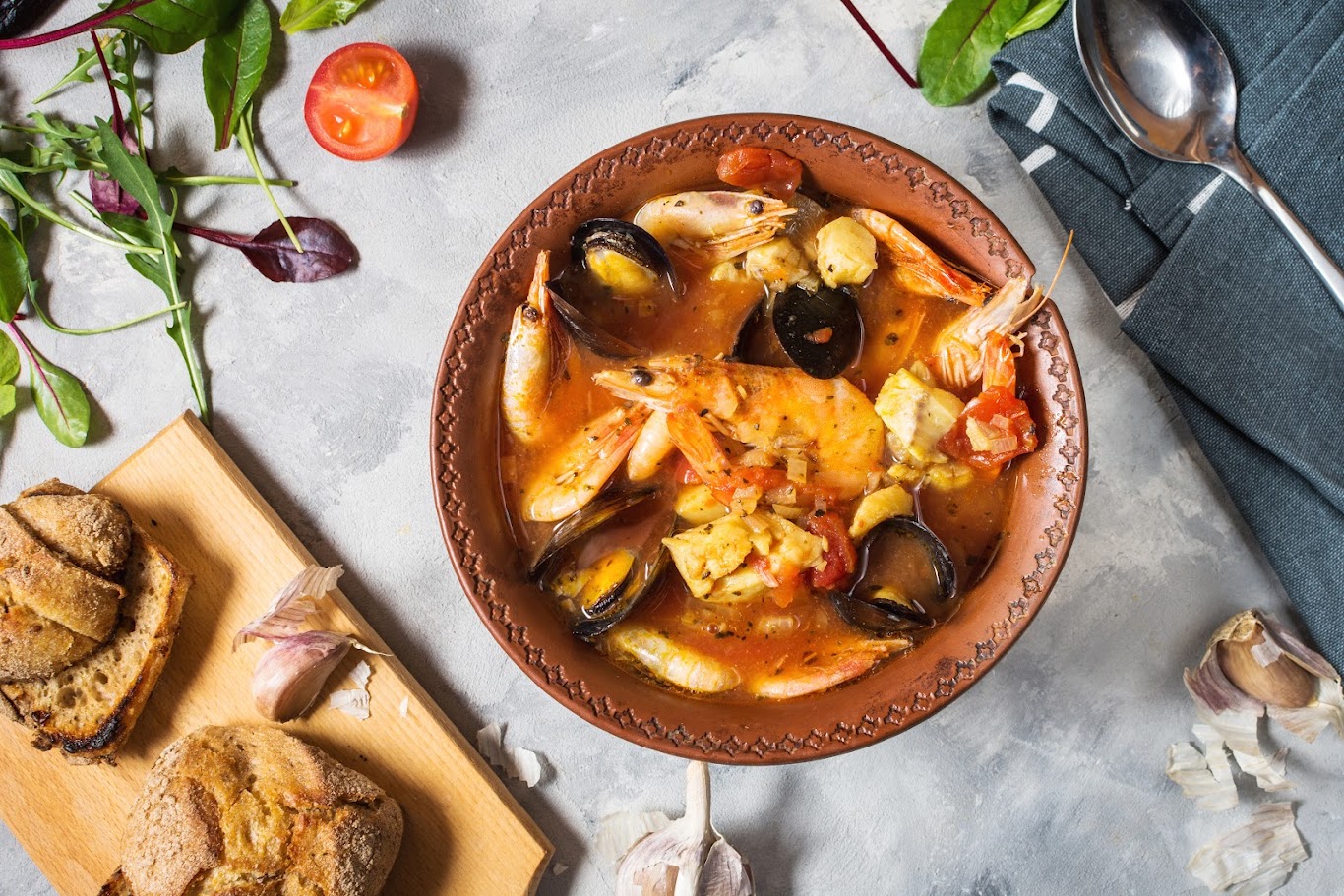
French seafood soup made with fish stock and special spices delivers an irresistible taste.
2.5 Moules Marinières – Classic Mussels in White Wine
Moules Marinières is a traditional seafood dish from the Normandy coast. It captures the fresh flavors of French coastal cuisine, is simple to prepare, and is affordable. The main ingredients are mussels steamed with white wine and seasonings. When eaten, the aroma of wine, garlic, and spices is absorbed into the tender mussel meat. The rich sauce can be used for dipping bread or mixing with pasta.
2.6 Steak Tartare – Premium French-Style Raw Beef
Steak Tartare is an acquired taste, as it is served completely raw. Finely chopped beef is marinated with wine or lemon juice and spices such as Tabasco, pepper, and chili sauce. It is shaped into rounds, topped with a raw egg yolk, and garnished with parsley.
Though the preparation seems simple, Steak Tartare requires high culinary skill and top-quality meat to ensure both flavor and nutritional value.
2.7 Salade Niçoise – Refreshing Summer Salad
Salade Niçoise is a famous salad from Nice, France. This dish is not just a simple appetizer but also a symbol of Mediterranean cuisine, combining fresh ingredients with vibrant colors.
The salad typically includes tuna, boiled eggs, tomatoes, bell peppers, olives, and more, creating a delightful flavor journey with the freshness of vegetables, the savory taste of tuna, the richness of eggs, and the nutty flavor of olives.
2.8 Baguette – The Icon of French Cuisine
The baguette is no stranger to Vietnamese cuisine. This long, crusty, and soft French bread has become an essential part of daily meals in France and is loved worldwide. Many stories exist about its origin, but all agree that the baguette appeared in the 19th century when wood-fired ovens became widespread.
Freshly baked baguettes have a fragrant aroma, a crisp crust, and a dense, soft interior. They are commonly enjoyed with cheese, pâté, cold cuts, used in sandwiches, or dipped into soups.
2.9 Macaron – France’s Sweet Delight
Macarons are sweet confections originating from France, made with egg whites, powdered sugar, granulated sugar, almond flour, and food coloring. They are small, flat, round cakes with a crisp outer shell and a soft, smooth filling inside.
Making macarons is complex and requires precision. Pastry chefs must control ingredient moisture, egg-whipping technique, and baking temperature. As a result, macarons are not only visually appealing but also delicious. Flavors range from classic vanilla, chocolate, and strawberry to modern options like matcha or lavender.
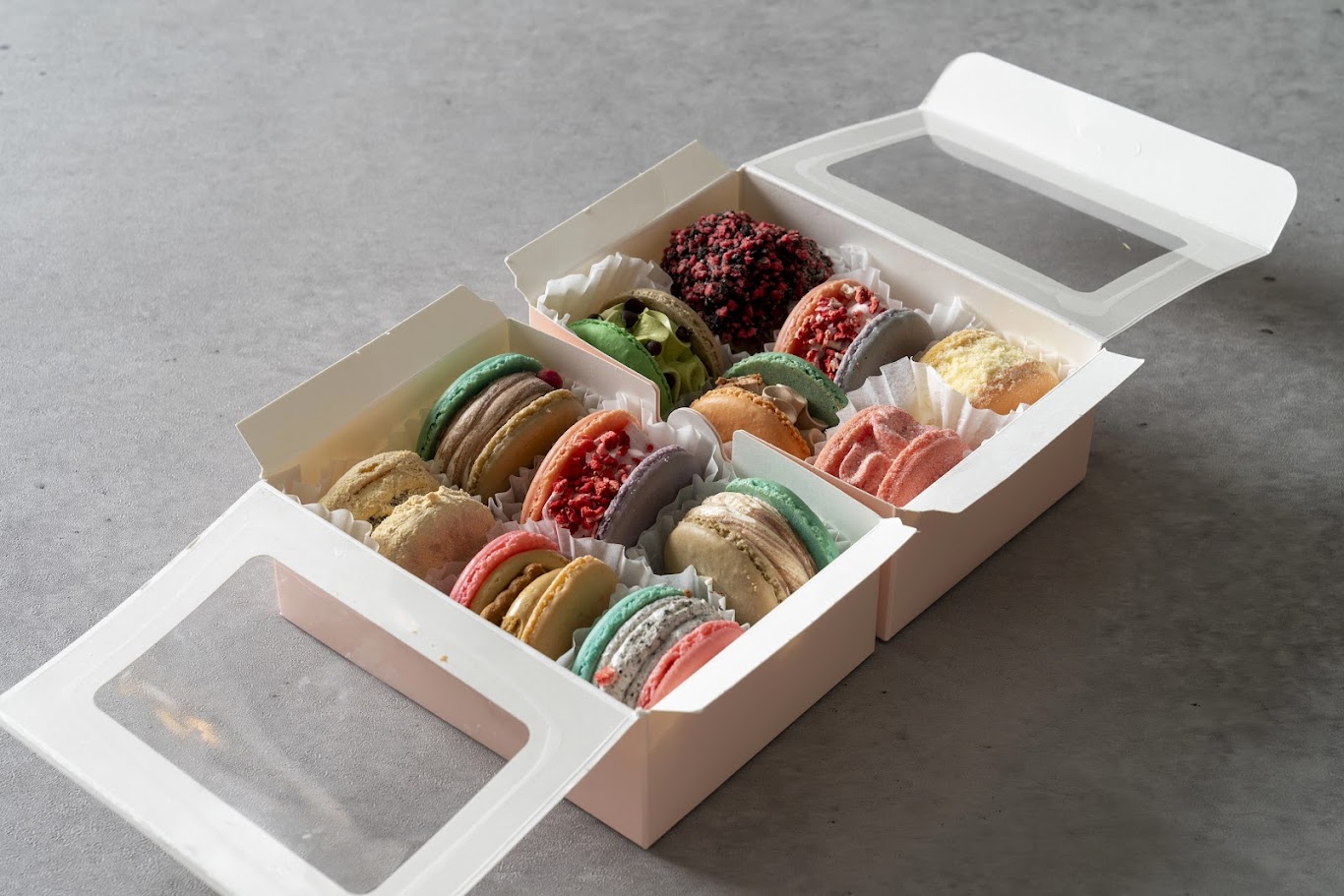
These small, colorful macarons showcase the refined taste and high-level technique of French cuisine.
2.10 Crêpe – France’s Favorite Breakfast
Crêpes originate from the Brittany region of France, during a time of wheat shortage. People invented crêpes as an alternative to bread for breakfast. The preparation is simple: mix flour, eggs, milk, and butter into a smooth batter, then cook until golden in a pan. Crêpes can be served sweet or savory, depending on preference.
The above is an overview of French culinary culture and must-try dishes. Follow Vietjet to explore travel guides and the best flight deals. The 0‑Dong domestic and international flight promotion is available daily from 12:00 – 14:00. See details HERE.
To check the latest flight schedules and ticket prices on Vietjet, visit Vietjet’s official channels.
-
Facebook: https://www.facebook.com/vietjetvietnam
-
Instagram: https://instagram.com/vietjet















































![[FAQ] What is the Best Time to Travel to South Korea?](https://vj-prod-website-cms.s3.ap-southeast-1.amazonaws.com/shutterstock533705653supersize-1696644100090.jpg)









































Hot news





Buy Baggage, meals, choose seats and more…
Contact Center