- My booking
- Online Check-in
- Flight extras
- Financial services


 Booking
 Skyshop
 Hotel
Hotel
 E-Voucher
 E-Sim
E-Sim
 E-Visa
 Buy foreign currency
 Insurance
 SkyJoy


Departure date

Return Date

Malaysia 4-Day-3-Night DIY Travel Guide: Itinerary & Cost
As one of the most culturally diverse countries in Southeast Asia, Malaysia boasts a rich tapestry of cuisine, architecture, and religion. It's undoubtedly a captivating and exciting destination waiting for you to explore.
If you're planning a trip to Malaysia, join Vietjet in discovering the ideal itinerary, estimated expenses, and the hottest attractions for a 4-day-3-night self-guided journey!
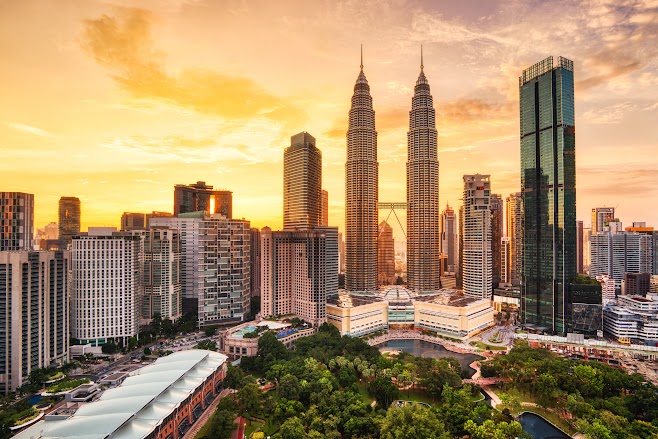
Malaysia is one of the most culturally diverse countries in Southeast Asia.
1. When is the best time to visit Malaysia?
Malaysia has a humid tropical climate with a diverse and abundant ecosystem. The country experiences two main seasons: the dry season and the rainy season. Average temperatures range from 27–33°C, with the lowest around 17°C. Therefore, you can visit Malaysia almost any time of the year.
The dry season lasts from April to September, allowing you to explore various attractions without worrying about sudden rains. Especially from June to August, the weather is sunny and pleasant with fewer showers, and major shopping malls offer attractive promotions during this period. If you're looking to enjoy Malaysia’s beaches in the summer, the best time would be from May to July.
2. Travel Guide: Getting to and Around Malaysia
2.1 Getting to Malaysia
Air travel is the primary means of transportation from Vietnam to Malaysia. There are now many direct flights between the two countries. To get the best fares and have more flexibility, you should book 1–2 months in advance. Vietjet is currently offering promotional fares to Malaysia starting from just 760,000 VND (excluding taxes and fees).
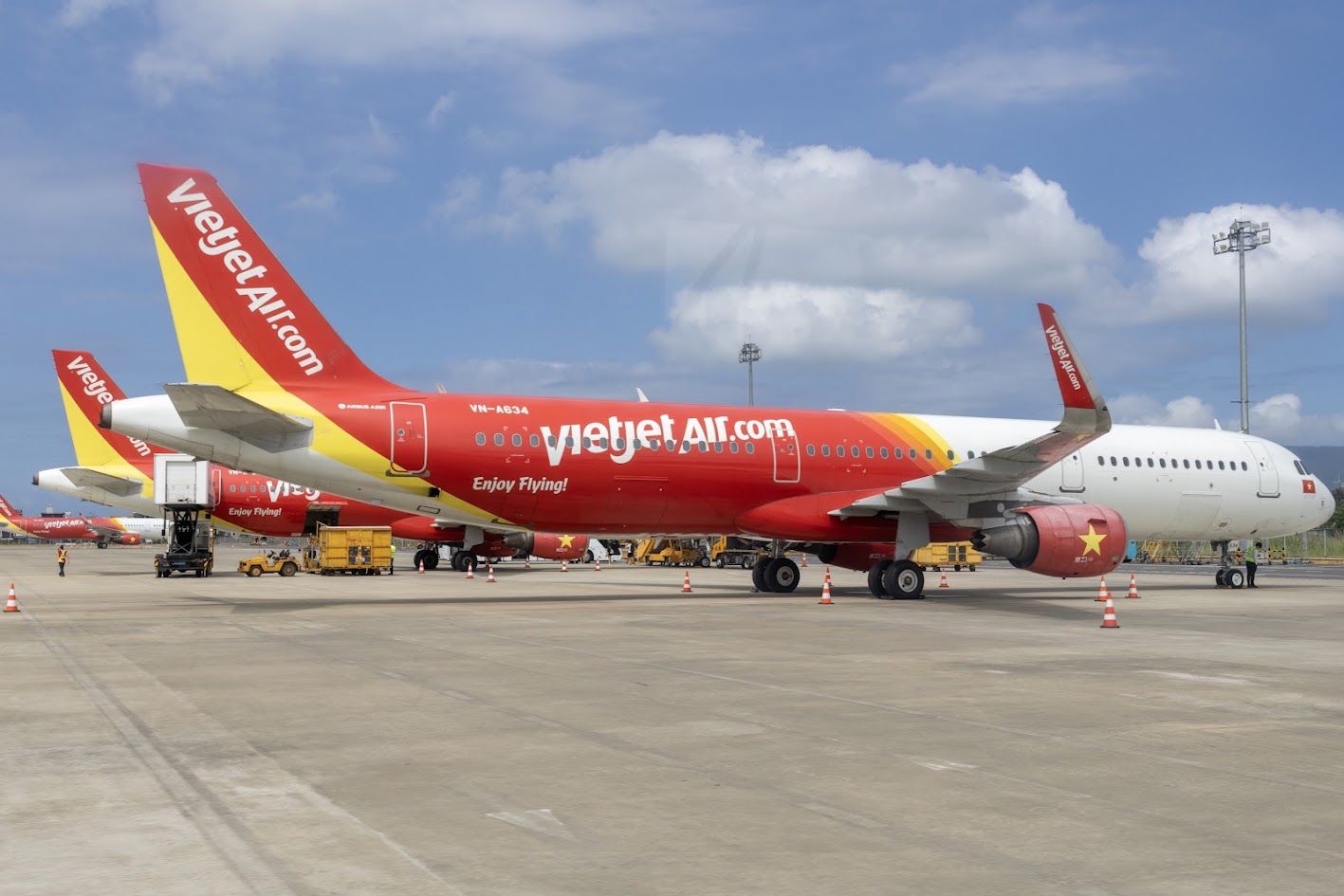
Vietjet currently operates many direct flights from Vietnam to Malaysia.
2.2 Getting around in Malaysia
Malaysia has a highly developed transportation system, giving you many options for moving between famous attractions, including:
-
Bus: The most affordable and eco-friendly option, ideal for short-distance travel within cities.
-
Taxi: A good choice for families or groups. Remember to ask about the fare or meter pricing in advance to avoid overpaying.
-
Subway (LRT/MRT): If you get motion sickness, the subway is a great alternative. Malaysia's subway network is extensive, making it easy to reach popular tourist sites.
-
Ferry: Since Malaysia has many islands and archipelagos, ferries are commonly used for inter-island travel.
3. Must-Visit Attractions in Malaysia
Here are some top places you shouldn't miss when visiting Malaysia:
3.1 Petronas Twin Towers
The Petronas Twin Towers – the iconic symbol of Malaysia – are a must-see. Standing at 451.9 meters tall with 88 floors, the twin skyscrapers are connected by an impressive skybridge.
Built from steel and concrete, the towers feature a design that blends modern elements with traditional cultural values, symbolizing both technological advancement and cultural pride. At the Petronas Towers, not only can you take stunning photos with Malaysia’s national icon, but you can also experience world-class services inside the towers.
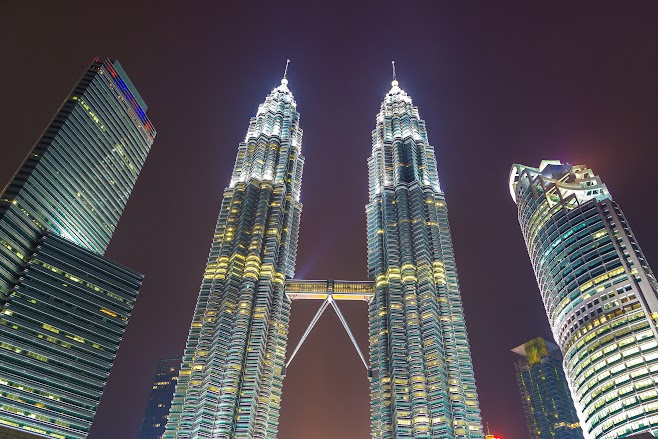
The Petronas Twin Towers are a true source of pride for the Malaysian people.
3.2 KL Tower
Malaysia is also home to another famous landmark: the KL Tower (officially known as Menara Kuala Lumpur). This is one of the tallest towers in Southeast Asia, featuring a stunning architectural design. From the top of the tower, you can take in the full panoramic beauty of Malaysia.
3.3 Batu Caves
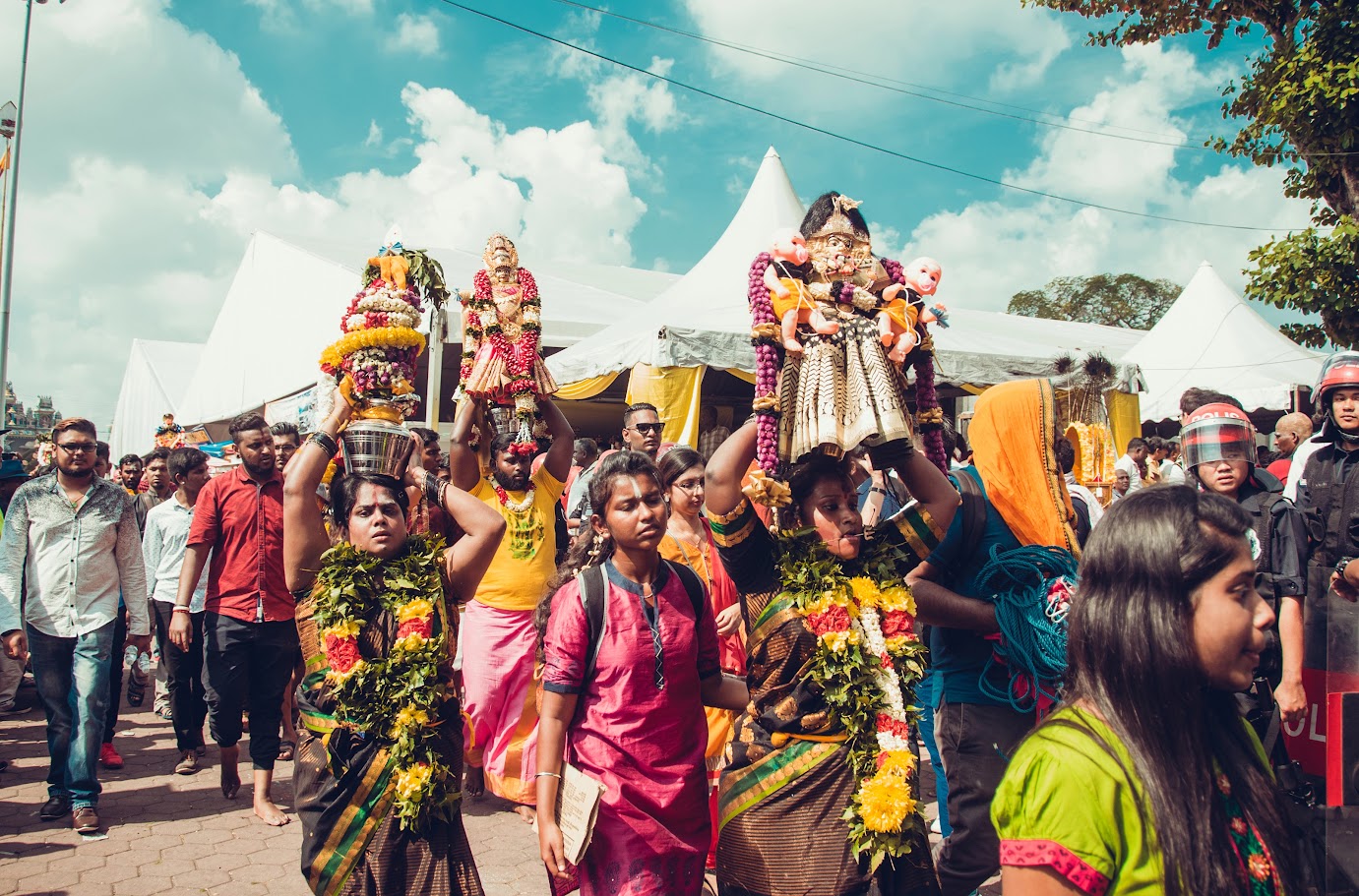
Batu Caves is one of the top spiritual destinations in Malaysia. Located beneath a limestone hill in Gombak District, about 15 km north of downtown Kuala Lumpur, this site is renowned for having the tallest statue of Lord Murugan in the world and an impressive cave complex. The three most notable caves are: the Temple Cave, the Art Gallery Cave, and the Museum Cave. Each year, during the Tamil month of Thai (January–February), Batu Caves hosts major Hindu ceremonies, drawing thousands of worshippers and tourists.
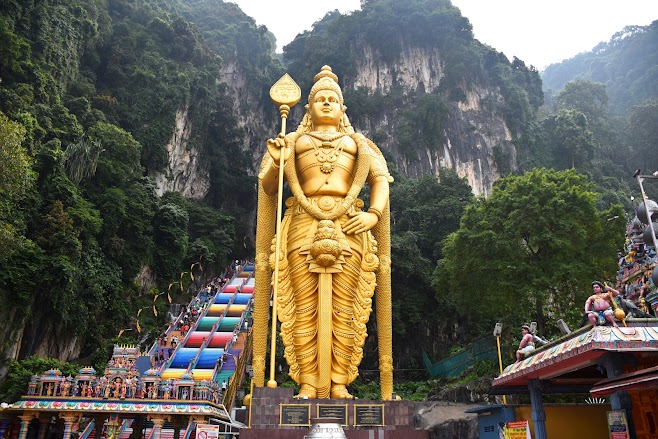
Batu Caves is famous for having the tallest statue of Lord Murugan in the world and a spectacular cave system.
See also: Entry tips for Malaysia.
3.4 Cameron Highlands
If you’re looking to reconnect with nature, the Cameron Highlands is the ideal destination. It is the largest highland region in Malaysia, known for its endless stretches of tea plantations, strawberry farms, and colorful flower gardens. The peaceful atmosphere and fragrant air create a truly refreshing escape. Watching the sunrise over the Cameron Highlands is an experience you won’t want to miss.
3.5 Malacca City
In contrast to the bustling capital of Kuala Lumpur, Malacca (Melaka) offers a peaceful and historical charm. The city is filled with culturally significant landmarks such as the Malacca Fort and St. Paul’s Church. Malacca was officially designated a UNESCO World Heritage Site in 2008.
3.6 Langkawi Archipelago
Malaysia is blessed with a wealth of natural beauty, so in addition to its highlands, the sea must be mentioned. The Langkawi archipelago is another must-visit destination, featuring crystal-clear waters, picture-perfect islands, pristine rainforests, and diverse wildlife species.
4. Must-Try Dishes in Malaysia
Malaysia is home to a multicultural population from all over the world, so its cuisine is incredibly rich and diverse, including influences from Malay, Chinese, Indian, Singaporean, and more. However, keep in mind that most dishes are quite oily and do not include pork, as Malaysia is a Muslim-majority country.
Here are some must-try Malaysian dishes:
-
Nasi Lemak: Often considered Malaysia’s national dish. Known as “fatty rice,” it’s cooked in coconut milk and served with anchovies, roasted peanuts, cucumber, sambal (spicy chili paste), and usually wrapped in banana leaves or paper.
-
Assam Laksa: Ranked among the top 50 best dishes in the world, this noodle dish features chewy white noodles in a tangy, spicy broth made from mackerel, tamarind, and chili. The best place to try it is Penang – the culinary capital of Malaysia.
-
Curry Laksa: Unlike Vietnamese or Indian curries, Curry Laksa includes shrimp, chicken, tofu, and fish cakes. It’s enriched with coconut milk for a rich and creamy texture.
-
Nasi Kerabu: This dish features blue-colored rice (dyed naturally with butterfly pea flowers) served with salted egg, crispy fried salmon, fried chicken, and sauce. It's a flavorful, visually striking meal.
-
Ikan Bakar (Grilled Fish): Fresh fish marinated in chili paste, wrapped in banana leaves, and grilled over charcoal. Its bold flavors make it an unforgettable local specialty.
-
Rendang: A traditional Malaysian slow-cooked beef dish. Unlike dried beef or jerky, Rendang is braised until the sauce is reduced, infused with cumin, lemongrass, turmeric, cinnamon, and chili. The result is tender, rich, and intensely flavorful meat.
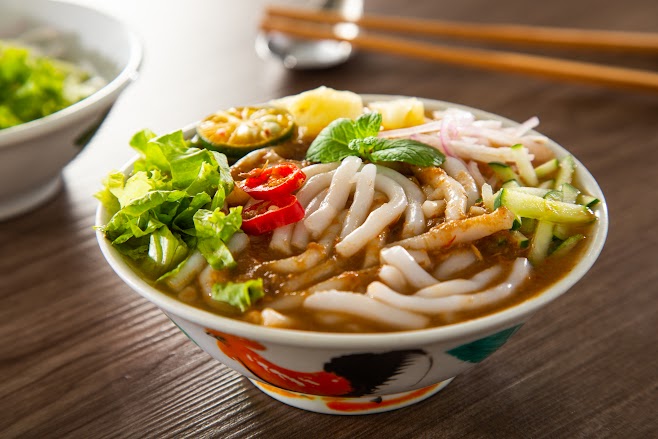
Malaysia’s Assam Laksa is ranked among the top 50 best dishes in the world.
5. Tips for a Smooth 4-Day-3-Night DIY Trip to Malaysia
To ensure a safe and unforgettable trip to Malaysia, keep in mind the following tips:
-
Learn the local transportation system to avoid getting lost or wasting time.
-
Understand Malaysian customs and etiquette to avoid cultural misunderstandings.
-
The most commonly used currencies in Malaysia are the Malaysian Ringgit (MYR), US Dollar (USD), and Euro. It's advisable to exchange currency in Vietnam before departure, or at the airport upon arrival. If you prefer not to carry a lot of cash, you can use credit cards like MasterCard or Visa.
-
Dress modestly and respectfully, especially when visiting religious or sacred sites.
6. Suggested Itinerary for a 4-Day-3-Night DIY Trip to Malaysia
If you're wondering, “How much does a self-guided trip to Malaysia cost?”, here’s a sample itinerary starting from Ho Chi Minh City:
|
Day |
Schedule |
Reference price |
|
Day 1 |
Travel by plane from Ho Chi Minh City to Kuala Lumpur. Complete immigration procedures and transfer to hotel. |
5,000,000 VND/round trip ticket/person |
|
Lunch at the hotel |
100,000 VND/person |
|
|
Visit Petronas Twin Towers, KL Tower and KLCC Park |
Free of charge |
|
|
Dinner and Pavilion Tour |
About 250,000 VND/person |
|
|
Day 2 |
Visit Batu Caves and Thean Hou Temple |
80,000 VND/person |
|
Visit National Mosque, Jamek Mosque |
Free of charge |
|
|
Dinner at Shabu-yo |
About 200,000 VND/person |
|
|
Day 3 |
Breakfast at hotel and transfer to Malacca city |
About 300,000 VND/person |
|
Malacca City Tour |
Free of charge |
|
|
Moving to Kuala Lumpur |
About 100,000 VND/person |
|
|
Day 4 |
Breakfast and Chinatown Tour |
About 300,000 VND/person |
|
Visit the National Museum of Malaysia |
27,000 VND/person |
|
|
Transfer to airport and return to Ho Chi Minh City |
50,000 VND/ticket/person |
The total cost may vary depending on your choices for accommodation, food, transportation, and more. However, here's a general cost estimate to help you budget:
-
Flight tickets: 2,000,000 – 6,000,000 VND (including taxes and fees, depending on airline and time of purchase)-
-
Accommodation: 500,000 – 3,000,000 VND (depending on hotel type)
-
Transportation: 200,000 – 300,000 VND (based on transportation mode and distance)
-
Food: 300,000 – 500,000 VND/day
-
Entrance fees: 20,000 – 200,000 VND (varies by location and time of visit)
See more: Kuala Lumpur airport information
Thus, the cost of a 4-day, 3-night self-guided tour of Malaysia will range from 6,000,000 - 15,000,000 VND depending on your personal choices and the time you travel. Calculate carefully to optimize the cost of your trip.
Don't miss the chance to hunt for flight tickets to Malaysia at surprisingly low prices athttps://www.vietjetair.com/vi/ve-may-bay/ve-may-bay-di-kuala-lumpur/Currently, Vietjet is having a program to hunt for 0 VND tickets every Friday. HERE.
Don't forget to follow Vietjet to update the latest travel information and promotions:
- Website: https://www.vietjetair.com
- Facebook: https://www.facebook.com/vietjetvietnam
- Instagram: https://instagram.com/vietjet
- YouTube: https://www.youtube.com/VietjetOfficial
- TikTok: https://www.tiktok.com/@vietjetvietnam
- Zalo: https://oa.zalo.me/vietjet































![[FAQ] What is the Best Time to Travel to South Korea?](https://vj-prod-website-cms.s3.ap-southeast-1.amazonaws.com/shutterstock533705653supersize-1696644100090.jpg)


























Hot news